


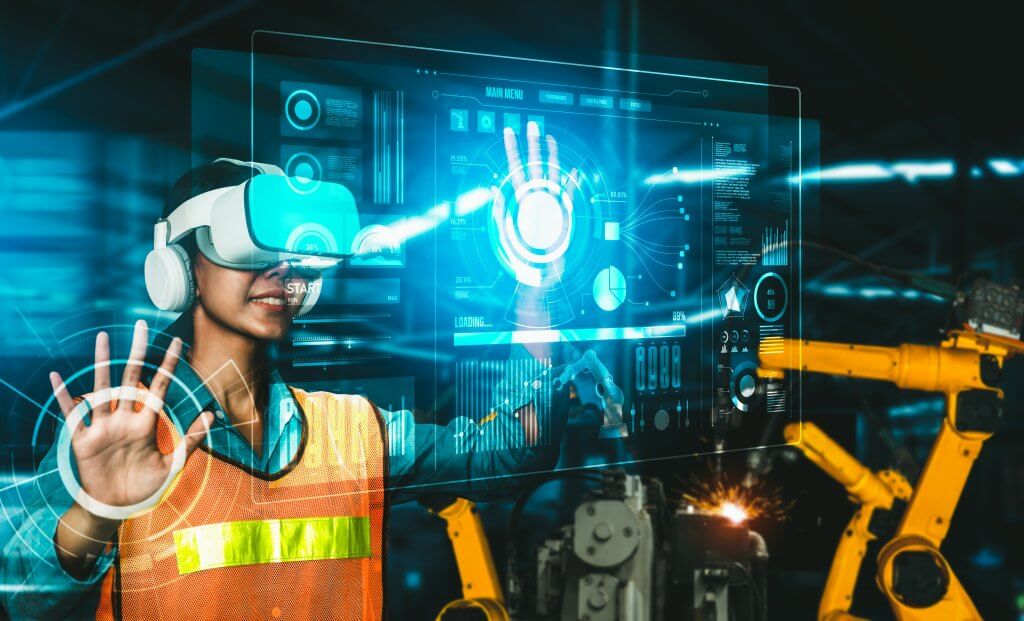
Artificial Intelligence (AI) is revolutionizing the manufacturing industry by enhancing efficiency, precision, and decision-making. By integrating AI-powered technologies such as machine learning, robotics, and data analytics, manufacturers can optimize production processes, reduce costs, and improve product quality, ushering in a new era of smart manufacturing.
One of the most significant advantages of AI in manufacturing is its ability to enhance automation and predictive maintenance. AI-driven robots and autonomous systems can perform complex tasks with high accuracy, minimizing human error and increasing productivity. Additionally, predictive maintenance powered by AI helps manufacturers anticipate equipment failures before they occur, reducing downtime and maintenance costs while ensuring seamless production operations.
AI also plays a crucial role in quality control and defect detection. Traditional inspection methods can be time-consuming and prone to human error, but AI-powered vision systems can rapidly analyze products, identify defects, and ensure adherence to quality standards with unparalleled accuracy. This not only improves product reliability but also enhances customer satisfaction.
Furthermore, AI enables data-driven decision-making through advanced analytics and real-time monitoring. By collecting and analyzing vast amounts of data from production lines, AI can provide valuable insights that help manufacturers optimize resource allocation, streamline supply chains, and improve overall operational efficiency. This level of intelligence allows businesses to adapt quickly to changing market demands and improve competitiveness.
Another key benefit of AI in manufacturing is its contribution to sustainability and resource efficiency. AI algorithms can optimize energy consumption, minimize waste, and improve material utilization, leading to more sustainable manufacturing practices. By reducing environmental impact and increasing cost savings, AI-driven sustainability initiatives align with global efforts to create greener and more responsible industrial processes.
Despite its numerous advantages, AI in manufacturing also faces challenges such as high implementation costs, data security concerns, and the need for skilled personnel. Small and medium-sized enterprises may struggle with the financial and technical barriers to AI adoption. Additionally, ensuring cybersecurity in AI-powered manufacturing environments is crucial to prevent data breaches and system vulnerabilities.
Nevertheless, as AI technology continues to evolve and become more accessible, its integration into manufacturing will become increasingly widespread. From automotive and aerospace to electronics and pharmaceuticals, AI is set to transform industries by driving innovation, efficiency, and sustainability. By leveraging the power of artificial intelligence, manufacturers can unlock new possibilities and reshape the future of industrial production.

Digital Innovation – international competition 2026
©2026. All Rights Reserved.